

Quick answer
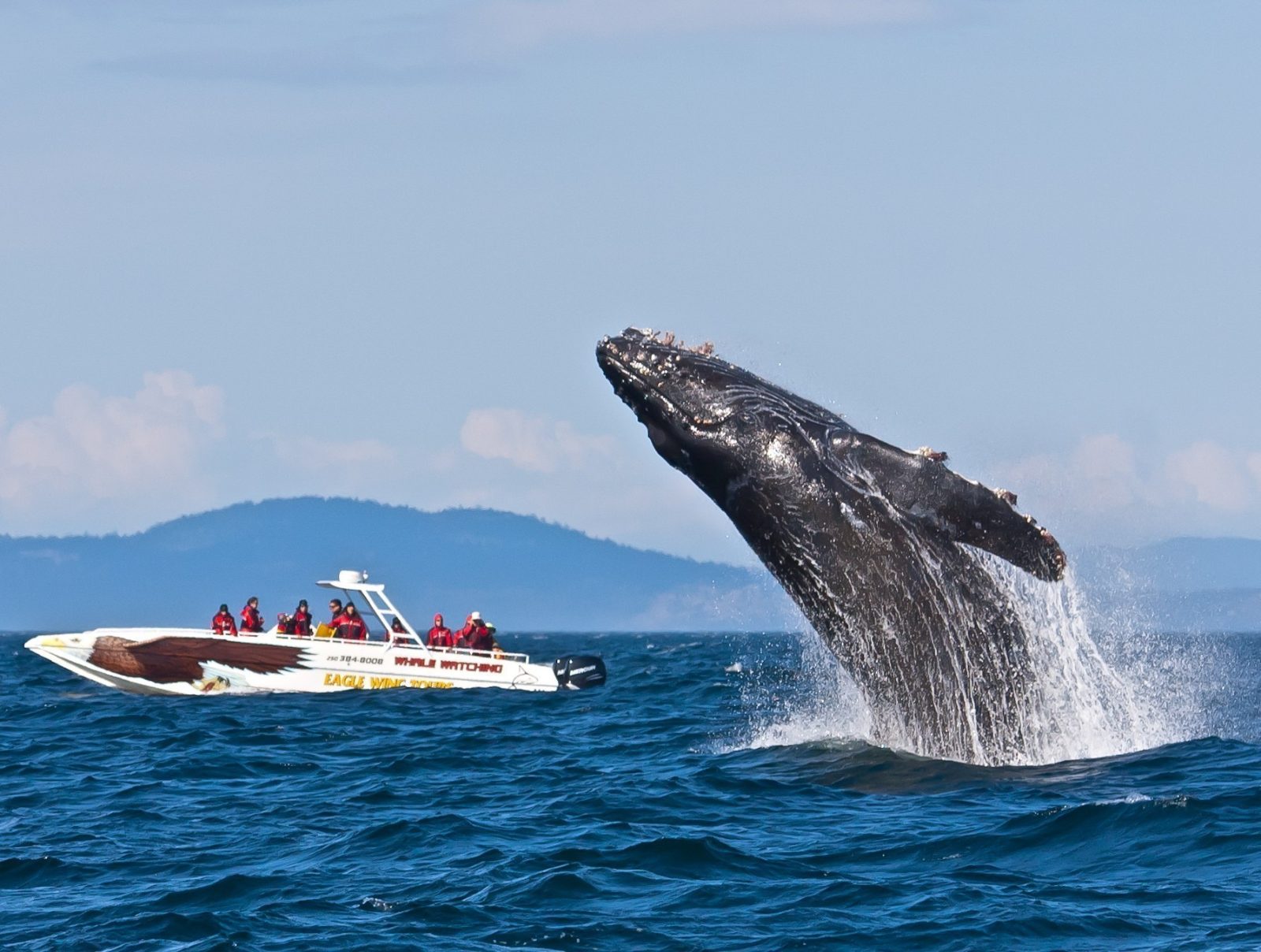
The best time of year for whale watching in Lanzarote runs from November through March, when cooler Atlantic currents bring migrating species and calmer winter seas improve visibility. Resident short-finned pilot whales appear year-round, but bottlenose dolphins, Bryde's whales, and occasional fin whales peak during these months. Summer offers warmer conditions but rougher afternoon seas and lower cetacean activity.
Short-finned pilot whales inhabit Lanzarote's waters twelve months a year, maintaining stable pods between the island and Fuerteventura. These deep-diving cetaceans hunt squid along submarine canyons that plunge beyond 1,000 meters within sight of Puerto Calero's marina. Commercial operators record pilot whale encounters on 75 percent of winter departures and 55 percent of summer trips, making them the island's most reliable species. Whale watching Lanzarote best time of year aligns with North Atlantic migration windows and seasonal oceanographic shifts. November marks the arrival of Bryde's whales tracking sardine schools southward, while bottlenose dolphin pods concentrate near coastal upwellings where nutrient-rich currents meet shallow banks. January and February bring occasional fin whale sightings as individuals traverse the Canary corridor between European feeding grounds and African breeding zones. Spring transitions see Atlantic spotted dolphins replacing winter visitors, and by June the resident pilot whales dominate sightings as migratory species push north. Sea conditions govern encounter quality as much as cetacean presence. Winter's northeasterly trade winds calm by mid-morning, creating the glassy surface that reveals distant blows and dorsal fins. Summer's thermal afternoon winds churn two-meter swells that obscure surfacing animals and increase motion sickness among passengers. Operators departing Marina Puerto Calero between 09:00 and 11:00 navigate the calmest window regardless of season, but winter's extended stable periods allow longer searches beyond the sheltered southwest coast. Lanzarote's volcanic topography creates natural observation advantages. The island's western cliffs force deep water close to shore, concentrating pelagic species within 30 minutes of port. Tour vessels traverse the channel between Lanzarote and the Los Lobos islet, where tidal currents aggregate baitfish and attract hunting cetaceans. Hydrophone equipment carried by research-focused operators detects pilot whale echolocation clicks at depth, guiding boats toward pods before they surface. These acoustic methods prove most effective during winter months when reduced ambient noise from recreational vessels improves detection range.
“Winter's northeasterly trade winds calm by mid-morning, creating the glassy surface that reveals distant blows and dorsal fins.”
Whale Watching Lanzarote Best Time of Year: Seasonal and Daily Windows
Whale and dolphin sightings are possible year-round in Lanzarote, though spring and autumn offer higher probabilities of encountering migratory species. For the most comfortable experience, prioritize morning excursions when sea conditions remain calm.
Spring (March–May)
Moderate crowdsMild 20°C–24°C; stable seas
Migratory whales often pass through these waters during this period.
Autumn (September–November)
Low crowdsWarm 23°C–26°C; clear visibility
Sea temperatures remain high, supporting frequent sightings of resident species.
Morning hours (09:00–11:00)
Lowest crowds—
Sea conditions are typically at their calmest, reducing the likelihood of seasickness.
Verdict: The best window for whale watching is during the spring or autumn months, specifically targeting morning departures between 09:00 and 11:00.
Operating Hours for Whale Watching Lanzarote Best Time of Year Planning
The booking office and support team operate daily to assist with your whale watching inquiries and trip logistics.
| Monday | 09:00–18:00 | |
|---|---|---|
| Tuesday | 09:00–18:00 | |
| Wednesday | 09:00–18:00 | |
| Thursday | 09:00–18:00 | |
| Friday | 09:00–18:00 | |
| Saturday | 09:00–18:00 | |
| Sunday | 09:00–18:00 |
Entrance Fees and Costs for Whale Watching Lanzarote Best Time of Year Tours
Access to the Marina Puerto Calero area is free of charge. Whale and dolphin watching expeditions are conducted by commercial operators and require separate bookings.
There is no entrance fee to the marina, though commercial whale watching tours require booking at prices determined by independent boat operators.
How to Reach the Marina for Whale Watching Lanzarote Best Time of Year Trips
Whale watching excursions depart from Marina Puerto Calero, located in the municipality of Yaiza. The marina is accessible by road via the LZ-2 highway.
LZ-2 highway, exit towards Puerto Calero
Intercity Bus Line 61 to Puerto Calero station
Direct service to Marina Puerto Calero
Essential Prep for Whale Watching Lanzarote Best Time of Year Excursions
Prepare these essentials before your whale watching trip to maximize comfort and ensure smooth boarding.
-
Book your tour in advance — Marina Puerto Calero operators fill slots quickly during peak months.
-
Bring motion-sickness tablets — Take medication 30–60 minutes before departure if prone to seasickness.
-
Pack sun protection and a light jacket — UV exposure is high on open water, but sea spray cools quickly.
-
Carry your booking confirmation — Digital or printed proof speeds check-in at the marina.
-
Wear non-slip footwear — Boat decks become slippery when wet.
-
Arrive 15 minutes early — Allows time for safety briefings and crew introductions.
-
Bring binoculars for distant sightings — Not required but enhances viewing of distant pods.
Check availability
Whale watching Lanzarote best time of year: Common questions
Everything you need to know about whale watching lanzarote best time of year