

Quick answer
Tours depart daily between 09:00 and 18:00 from Puerto Calero Marina, with adult tickets starting at €25. Morning and early afternoon departures typically offer calmer sea conditions, improving visibility and wildlife activity. Operators run observation trips throughout the week, including weekends, with no seasonal closures.
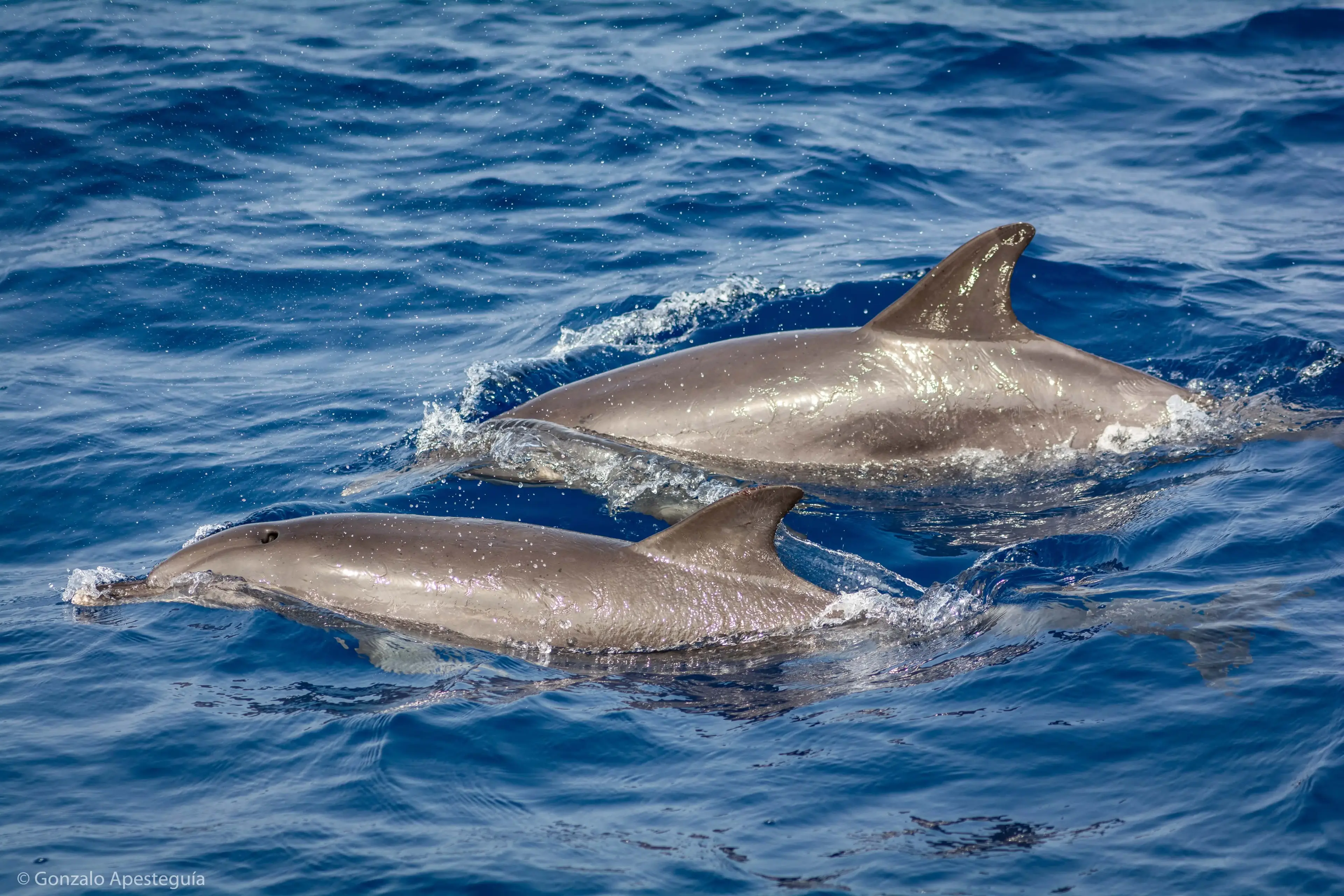
The waters off Lanzarote's southern coast form part of a designated marine corridor where short-finned pilot whales, bottlenose dolphins, and Atlantic spotted dolphins are documented year-round. Puerto Calero Marina serves as the primary embarkation point for cetacean observation excursions, positioned where the island's volcanic shelf drops into deep Atlantic channels favored by pelagic species. Dolphin whale watching Lanzarote operates under regional wildlife observation protocols that limit vessel approach distances and engine noise. Boats typically spend two to three hours at sea, tracking cetacean movements identified by onboard naturalists using hydrophones and visual scanning. Sightings are never guaranteed — marine mammals follow prey concentrations, current patterns, and seasonal migrations — but resident pilot whale pods and bottlenose groups maintain stable home ranges within the observation zone, resulting in encounter rates above 80 percent across most months. Morning departures align with peak feeding periods when cetaceans surface more frequently. Sea conditions in the Canaries are generally moderate, though afternoon winds can increase swell height, particularly during spring and autumn transitions. Visitors prone to motion sensitivity should consider earlier time slots and consult operators about vessel stability features. Puerto Calero's sheltered marina offers easier boarding than open-coast launch sites, and most operators provide life jackets, shade cover, and basic refreshments as standard. The practical decision for dolphin whale watching Lanzarote comes down to timing and expectation management. These are observation trips, not performances — animals appear on their terms, and some days yield distant sightings or prolonged searching. Operators staffed by marine biologists provide species identification, behavioral context, and real-time cetacean ecology education, turning variable wildlife encounters into structured learning experiences. For visitors prioritizing reliability over adventure, choosing operators with naturalist crews and smaller vessel capacities increases both educational value and likelihood of close but respectful wildlife interaction.
“Resident pilot whale pods and bottlenose groups maintain stable home ranges within the observation zone, resulting in encounter rates above 80 percent across most months.”
Optimal Conditions for Dolphin Whale Watching Lanzarote
The most favorable conditions for observing marine life occur during the spring and autumn months, when sea states are generally stable. Morning and early afternoon trips remain the preferred choice for wildlife spotting due to typically calmer water surfaces.
Spring (March–May)
Moderate crowdsMild temperatures 18°C–23°C
Migratory species are frequently observed during this period.
Summer (June–August)
Higher visitor volumeWarm temperatures 23°C–27°C
Calm seas provide good visibility for surface sightings.
Autumn (September–November)
Lower visitor volumeMild temperatures 20°C–25°C
Sea conditions often remain favorable for boat excursions.
Morning departures
Limited passenger density—
The sea is usually at its calmest, increasing the likelihood of successful sightings.
Verdict: The optimal window for excursions is during morning hours in April or October, when sea conditions are typically at their most favorable.
Dolphin Whale Watching Lanzarote Opening Hours
The observation centre operates daily to facilitate marine wildlife excursions from Puerto Calero Marina.
| Monday | 09:00–18:00 | |
|---|---|---|
| Tuesday | 09:00–18:00 | |
| Wednesday | 09:00–18:00 | |
| Thursday | 09:00–18:00 | |
| Friday | 09:00–18:00 | |
| Saturday | 09:00–18:00 | |
| Sunday | 09:00–18:00 |
Directions to Dolphin Whale Watching Lanzarote at Puerto Calero
Dolphin and whale watching tours depart from Puerto Calero Marina, located in the municipality of Yaiza on the south coast of Lanzarote. The marina is easily accessible by car or public transport via the main LZ-2 road.
LZ-2 highway, follow signs for Puerto Calero
Intercity Bus Line 161 or 261 to Puerto Calero station
Direct service to Puerto Calero Marina entrance
Interesting Facts About Dolphin Whale Watching Lanzarote
The waters surrounding Lanzarote serve as a critical habitat for a diverse range of cetacean species. The deep, nutrient-rich channels between the Canary Islands create an environment that supports both resident and migratory marine mammals.
28 Species of Cetaceans
Researchers have documented 28 different species of whales and dolphins in the Canary Islands, representing nearly one-third of all known cetacean species globally.
Bottlenose Dolphins are Residents
Bottlenose dolphins are frequently observed year-round in these waters, often exhibiting social behaviors near the surface.
Deep Ocean Trench Proximity
The proximity of the deep Atlantic trenches allows deep-diving species, such as pilot whales and sperm whales, to remain relatively close to the coast.
Short-finned Pilot Whale Colonies
Short-finned pilot whales are common in the region, with resident groups often spotted resting or socializing in pods near the southern coast of Lanzarote.
Atlantic Spotted Dolphins
These highly active dolphins are seasonal visitors often seen in large pods when water temperatures rise during the warmer months.
Marine Biodiversity Hotspot
The convergence of the Canary Current and volcanic underwater topography provides the nutrients necessary to sustain a complex marine food web.
Guidelines for Dolphin Whale Watching Lanzarote
Marine wildlife observation operates under strict protocols to protect cetaceans and ensure passenger safety. Following these guidelines helps preserve natural behaviors and supports responsible tourism practices.
Do
- Keep noise levels low to avoid disturbing marine mammals
- Stay seated when the boat is moving or wildlife appears nearby
- Follow crew instructions regarding viewing positions and movement on deck
- Use reef-safe sunscreen to protect the marine environment
- Keep cameras and phones secured with straps to prevent dropping them overboard
- Dispose of all waste in designated bins onboard
Don't
- Don't attempt to touch or feed dolphins or whales
- Don't lean over railings or extend arms toward the water
- Don't use flash photography as it can startle wildlife
- Don't throw anything into the ocean including biodegradable items
- Don't consume alcohol before or during the excursion
- Don't ignore safety briefings or crew warnings about sea conditions
Check availability
Frequently Asked Questions About Dolphin Whale Watching Lanzarote
Everything you need to know about dolphin whale watching lanzarote